
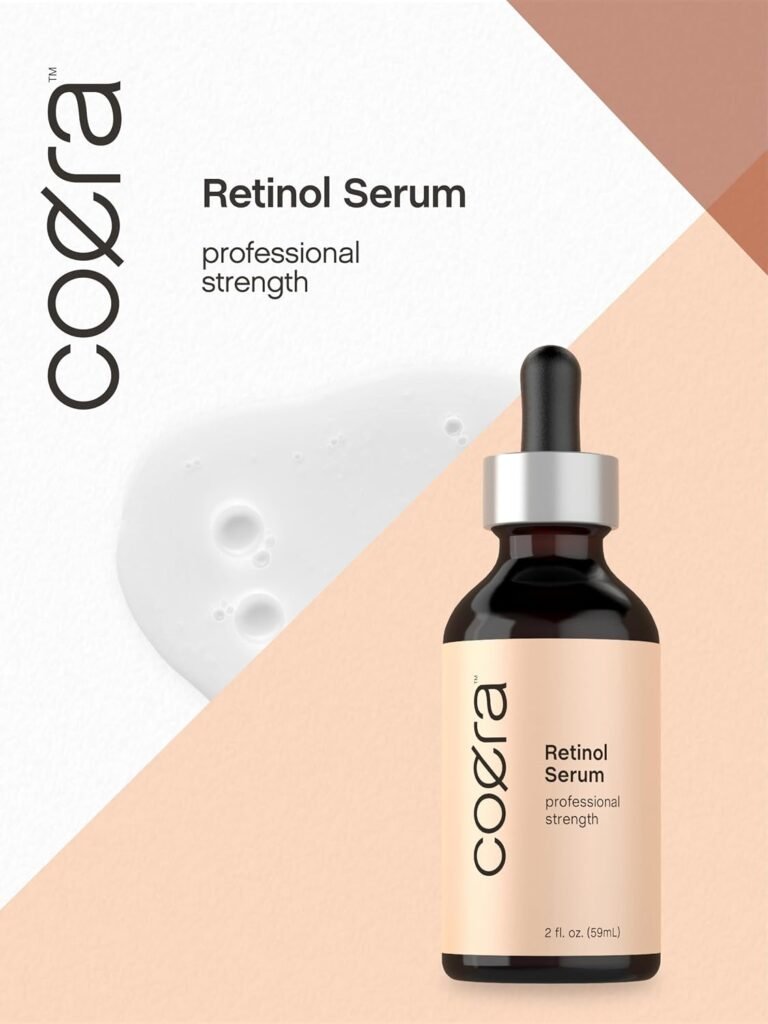
Discover the benefits of retinol serum, how to use it safely, possible side effects and simple skincare tips for healthier-looking skin . Check price on Amazon.$6.99
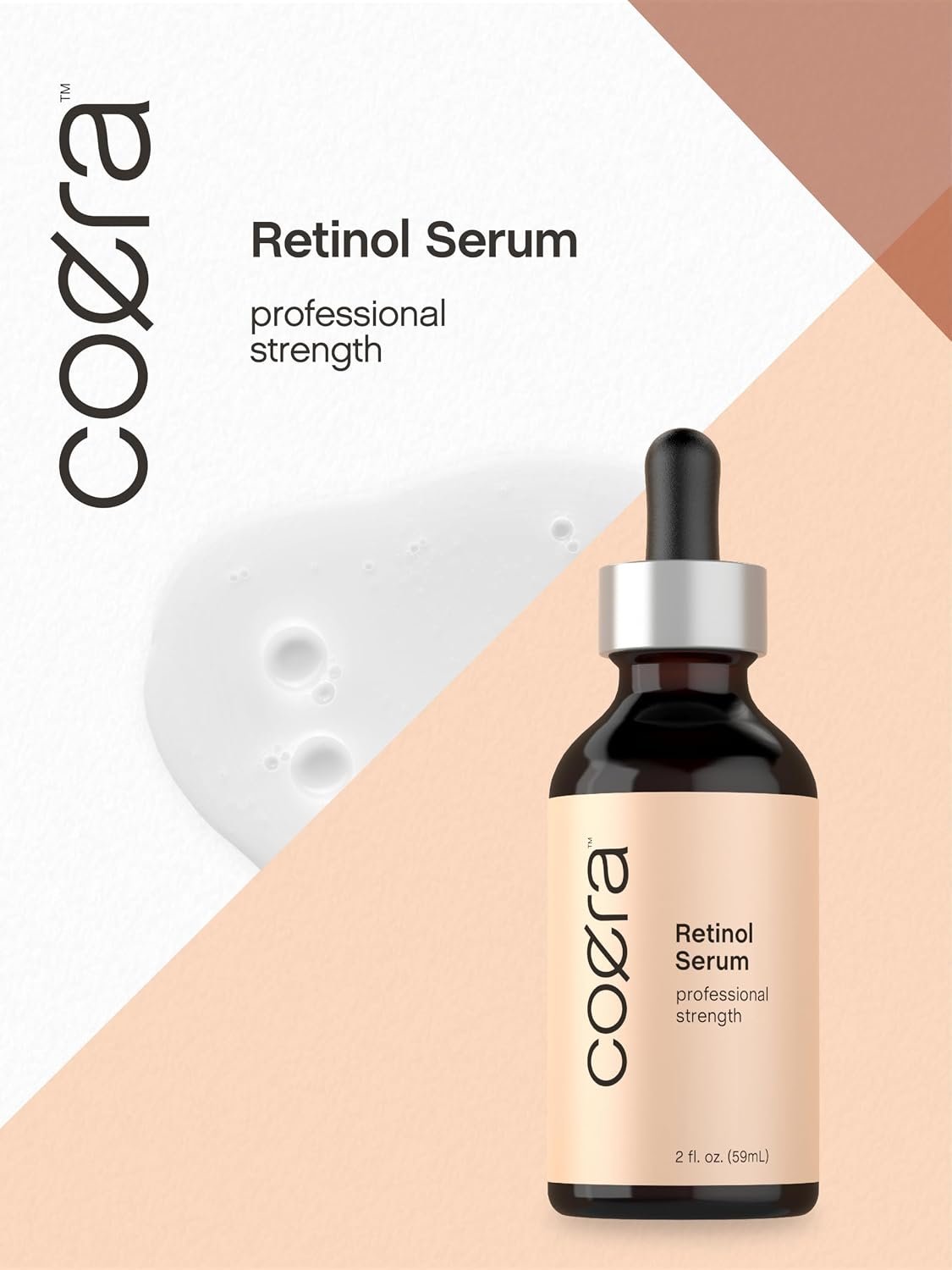


I have been using this retinol serum as part of my evening skincare routine, and overall, I have been quite happy with the experience. I started with a small amount and used it gradually, as retinol can sometimes cause dryness or irritation when you first introduce it. After using it consistently, my skin feels smoother and looks more refreshed, especially in terms of overall texture. I also make sure to moisturise and use sunscreen during the day, as recommended when using retinol products.
What Is Retinol?
Retinol is a form of vitamin A that has become a popular ingredient in modern skincare. People commonly use it to improve the appearance of fine lines, uneven texture, blemishes and signs of skin ageing.
Unlike prescription-strength retinoids, cosmetic retinol products are widely available without a prescription. They can be a useful option for people who want to introduce a vitamin A ingredient into their routine gradually.
The important thing is to start slowly. Using more product or applying it more often will not necessarily give faster results and may increase irritation.
Benefits of Retinol Serum
One of the main reasons people choose a retinol serum is its potential to improve the appearance of fine lines and uneven skin texture.Retinoid ingredients can also help with clogged pores and acne-related concerns.
Dermatology guidance recognises topical retinoids as useful ingredients for acne and some pigmentation concerns.
With consistent use, retinol can become a useful part of an anti-ageing skincare routine. However, results vary from person to person, so it is better to focus on gradual improvement rather than expecting overnight changes
How to Use Retinol Correctly
If you are new to retinol, begin with a small amount and use it only a few evenings each week. Give your skin time to adjust before increasing the frequency.
Cleanse your face gently and let your skin dry before applying the product. Follow with a moisturiser if your skin feels dry or tight.
Avoid applying retinol to broken, irritated or sunburned skin. If you experience significant redness, burning or peeling, reduce usage or stop until your skin settles.
When Should You Apply Retinol?
Most people prefer to apply retinol in the evening. Dermatology guidance recommends nighttime use and daytime sun protection because retinoids can increase sensitivity to sunlight.
Your evening routine can stay simple:
Cleanser → Retinol → Moisturiser
You do not need a complicated 10-step routine. A consistent routine that your skin tolerates well is usually easier to maintain.
Why Sunscreen Matters
Sunscreen is an important part of any skincare routine, especially when you are using vitamin A products.
Use a broad-spectrum sunscreen during the day and follow sensible sun-protection habits such as seeking shade and wearing protective clothing. The American Academy of Dermatology recommends broad-spectrum SPF 30 or higher.
For UK readers, daily sunscreen can still make sense even when the weather looks cloudy. UV exposure is not limited to bright summer days.
Retinol for Fine Lines and Uneven Skin
Fine lines and changes in skin texture are normal as we age. A retinol serum may help improve the appearance of these concerns when used consistently.
Retinoids are also used in skincare routines aimed at uneven pigmentation. The AAD lists retinoids, including retinol, among ingredients that can help fade existing dark spots.
However, skincare works gradually. Give a product enough time before deciding whether it suits you.
Can Retinol Help With Acne?
Retinoid ingredients have an established role in acne care. They can help unclog pores and are commonly used as part of acne treatment.
Cosmetic retinol and prescription acne retinoids are not exactly the same, though. If you have persistent, painful or severe acne, a GP, pharmacist or dermatologist can help you choose an appropriate treatment.
Who Should Avoid Retinol?
Retinol is not suitable for everyone. If your skin is already irritated, very dry or damaged, adding a strong active ingredient may make the problem worse.
Pregnancy is especially important to consider. Dermatology guidance recommends avoiding retinoids during pregnancy. If you are pregnant, planning a pregnancy or unsure whether a product is suitable, speak with your GP, pharmacist or dermatologist before using it.
Parents should also avoid treating children’s or teenagers’ skin with retinol simply for cosmetic anti-ageing purposes. The AAD’s 2025 guidance notes that young skin is more sensitive and that retinol is generally unnecessary for tweens and teens.
How to Build a Simple Retinol Skincare Routine
A simple routine is often easier to follow than an overly complicated one.
Morning
Gentle cleanser → Moisturiser → Broad-spectrum SPF 30+
Evening
Gentle cleanser → Retinol → Moisturiser
When starting out, use your retinol on only a few evenings each week. Increase gradually if your skin remains comfortable.
Avoid introducing several strong active ingredients at the same time. If irritation develops, it becomes much harder to know which product caused it.
Common Retinol Mistakes
Using too much: You only need a small amount. More is not automatically better.
Starting every night: Beginners should usually introduce retinol gradually.
Skipping moisturiser: Dryness can make the adjustment period more uncomfortable.
Forgetting sunscreen: Sun protection remains important during the day.
Expecting instant results: Give your routine time and judge progress gradually.
Retinol Serum FAQs
Is retinol serum good for beginners?
It can be, provided you introduce it gradually. Start with limited use and pay attention to how your skin responds.
How often should I use retinol?
There is no universal schedule. Starting a few evenings per week can be a sensible approach for beginners, then increasing gradually if your skin tolerates it.
Can I use retinol every night?
Some people eventually tolerate nightly use, while others prefer using it less frequently. Your skin’s response should guide your routine.
Can retinol reduce wrinkles?
Retinoid ingredients can improve the appearance of fine lines and other signs of ageing, but they cannot literally erase wrinkles. Consistent use and realistic expectations are important.
Should I use sunscreen with retinol?
Yes. Use daytime sun protection as part of your regular routine. Dermatologists recommend broad-spectrum SPF 30 or higher.
Can I use retinol while pregnant?
Retinoids should generally be avoided during pregnancy. If you are pregnant or planning to become pregnant, speak with an appropriate healthcare professional before using a retinoid product
How long does retinol take to work?
Results vary depending on the product, concentration, skin type and concern being treated. Give your routine time and avoid changing products too frequently.
Final Thoughts
A retinol serum can be a useful addition to a well-planned skincare routine, particularly if you want to target the appearance of fine lines, uneven texture or certain pigmentation concerns.
The trick is to keep things simple. Start slowly, moisturise, protect your skin from the sun and give your routine enough time to show what it can do.
Good skincare does not have to feel complicated. A consistent routine that works comfortably for your skin is often a much better approach than chasing every new trend.
For a complete glowing look, pairing your skincare routine with the right lip makeup makes all the difference. Once your skin is smooth and hydrated with retinol, check out our guide on Best Lip Gloss for a Hydrated, Plump Look to finish your routine with a perfect shine.
Discover the benefits of retinol serum, how to use it safely, possible side effects and simple skincare tips for healthier-looking skin . Check price on Amazon.$6.99